






Diversity, Equity and Inclusion: How Data Leaders Can Take Action on DEI

Data | 3 min read READING TIME

POSTING DATE

category
Data
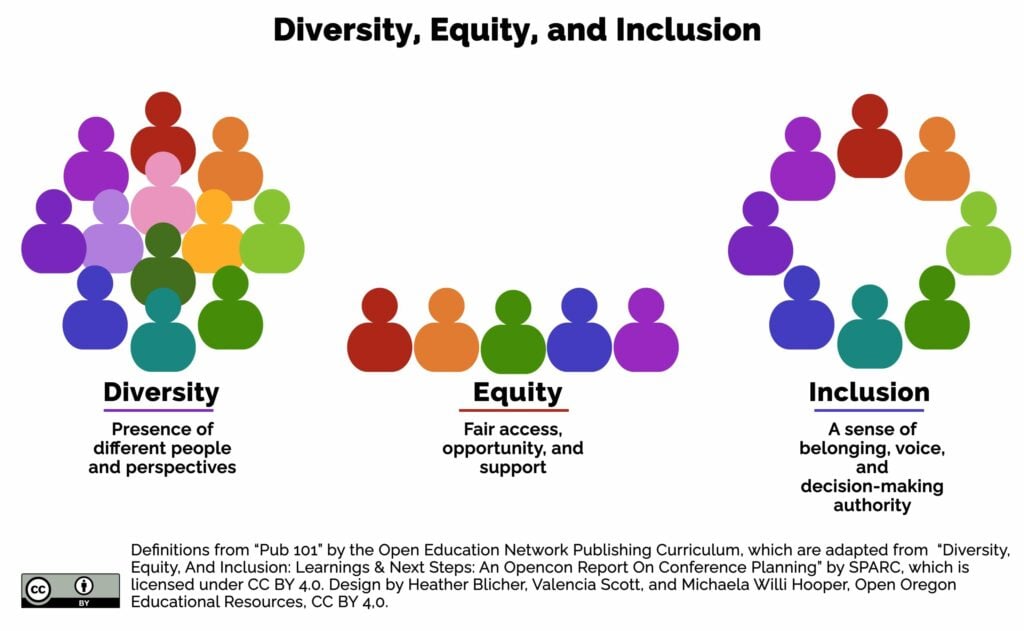
Diversity, Equity, and Inclusion (DEI) are principles aimed at ensuring fair treatment, access, opportunity, and advancement for all people within the workforce.
Through employing an effective DEI strategy, companies can look to identify and eliminate barriers that have previously prevented the full participation of people from certain genders, races, genders, sexualities, ethnicities, ages, or socioeconomic status’.
But why is this so important in the data and AI space? A recent report showed that just 12.5% of AI researchers worldwide are women, and this is having a negative effect on AI tools and how they develop algorithmic biases.
This was the subject of episode 5 of The Data & AI Podcast, where Harnham’s India Walker-Smith speaks to data leader Anita Caras as they dive into the world of DEI. Listen to the full episode.
How can data and AI leaders take action on DEI?
There are several ways that leaders in the data and AI space can take action on DEI. For one, promoting fair and responsible AI development both internally and externally can go a long way to changing the face of the industry.
But big changes can be made outside of the technology itself, too.
“I think the best advice for any leader is the openness to learn. It’s about being open to new ideas, new experiences, and new responses to what we think and how we feel. And the more that we learn about the biases in ourselves, the more we can apply that mindset in our working lives.”
Experienced Data Leader Anita Caras, via The Data & AI Podcast
Examples of DEI initiatives
Recruitment and Hiring Practices: Implementing unbiased hiring practices, such as blind recruitment (removing names and other identifying information from resumes) to reduce unconscious biases. Creating partnerships with diverse professional organisations and colleges to reach a broader candidate pool.
Training and Development: Offering training programs on topics such as unconscious bias, cultural competence, and inclusive leadership. These programs aim to raise awareness and equip employees with the skills to create an inclusive environment.
Mentorship and Sponsorship Programs: Establishing mentorship and sponsorship opportunities to support the career advancement of underrepresented groups within the organisation. These programs can help in building a diverse leadership pipeline.
Employee Resource Groups (ERGs): Supporting the formation of ERGs for various communities, such as LGBTQ+ employees, women, employees of colour, veterans, and people with disabilities. ERGs provide a sense of belonging and support for their members and can offer valuable insights to the organisation on DEI matters.
Equity Audits: Conducting regular equity audits to assess and address disparities within the organisation. This can include analysing pay equity, promotion rates, and access to development opportunities to ensure fairness and equity.
Challenges with implementing a DEI strategy
That being said, implementing a strategy around diversity, equity and inclusion can bring its own challenges.
“One big challenge that everyone will face is a change in management. It’s out of your control, but can significantly affect the buy-in and therefore outcome of your DEI strategy. So being ready for that is key.”
Experienced Data Leader Anita Caras, via The Data & AI Podcast
Outside of leadership, one of the biggest obstacles to a working DEI strategy is cultural resistance to change. Employees may fear disruption to established ways of working, and addressing those concerns through open communication and education is crucial.
Frequently asked questions
What does DEI mean in the workplace?
Diversity, equity and inclusion focus on fair treatment, access, opportunity and advancement. A DEI strategy aims to identify and remove barriers that prevent people from participating fully in the workforce.
How can data and AI leaders take action on DEI?
By promoting fair and responsible AI development alongside changes to workplace practices. Leaders can also remain open to learning, reflect on their own biases and support initiatives that make recruitment, development and career opportunities more inclusive.
What are some examples of workplace DEI initiatives?
Reviewing recruitment and hiring practices, offering training and development, establishing mentorship and sponsorship programs, supporting employee resource groups and conducting equity audits. Together, these address both access to opportunities and employees’ experience within the organisation.
How can equity audits support a DEI strategy?
Equity audits examine disparities in areas such as pay, promotion rates and access to development opportunities. Conduct them regularly to identify where action is needed to improve fairness.
What challenges can affect the implementation of a DEI strategy?
Changes in management can affect leadership buy-in, while cultural resistance may arise when employees fear disruption to established ways of working. Prepare for leadership changes and address concerns through open communication and education.
Looking for diverse data and AI talent?
Get in touch with the Harnham team today to find out how we can help you source and recruit world-leading data and AI professionals.
“I think the best advice for any leader is the openness to learn. It’s about being open to new ideas, new experiences, and new responses to what we think and how we feel. And the more that we learn about the biases in ourselves, the more we can apply that mindset in our working lives.”
Experienced Data Leader Anita Caras, via The Data & AI Podcast
“One big challenge that everyone will face is a change in management. It’s out of your control, but can significantly affect the buy-in and therefore outcome of your DEI strategy. So being ready for that is key.”
Experienced Data Leader Anita Caras, via The Data & AI Podcast
Author

Share this article
Industry Hub
Related
articles
With over 10 years experience working solely in the Data & Analytics sector our consultants are able to offer detailed insights into the industry.
Visit our Blogs & News portal or check out our recent posts below.

Types of cyber security jobs: Roles, skills and career paths
Cyber security is a big family of distinct jobs. Some of these jobs cover defending and monitoring, identifying weaknesses, designing and…


Average cyber security salary in the UK
According to the Department for Science, Innovation and Technology’s (DSIT) 2026 report into the cyber skills labour…

Forward Deployed Engineering in AI: An Emerging Role in the Netherlands
Recently, we’ve been working on a few Forward Deployed Engineering roles in AI at Harnham Netherlands. It’s…

Why Hire a Contractor?
Interim hires aren’t always the first option for most companies, but they can be a very handy…

Permanent, Contract and Fixed‑term Hiring in UK Data and Analytics
The UK data and analytics market continues to experience sustained demand. But acute skills shortages across disciplines…

How to Become an AI Scientist
To become an AI Scientist, you’ll typically need a PhD in Computer Science, Artificial Intelligence, Mathematics or…

Data Security vs Data Protection vs Data Governance: How the Careers Differ
There are a lot of strikingly similar job titles in data. Data security, data protection, and data…

How much does an AI Scientist make?
AI Scientists can earn approximately £35,000 to £120,000 or more, depending on their research experience, specialism and…

What Does a Data Analyst Do?
A Data Analyst collects, cleans and interprets data to identify trends, explain business performance and support decisions….

Hiring AI Engineers in the Netherlands in 2026
AI hiring in the Netherlands has moved quickly over the past year. Large corporates are running broad…